
Ahora rentando apartamentos de 2 habitaciones • Excelente ubicación • Vida asequible
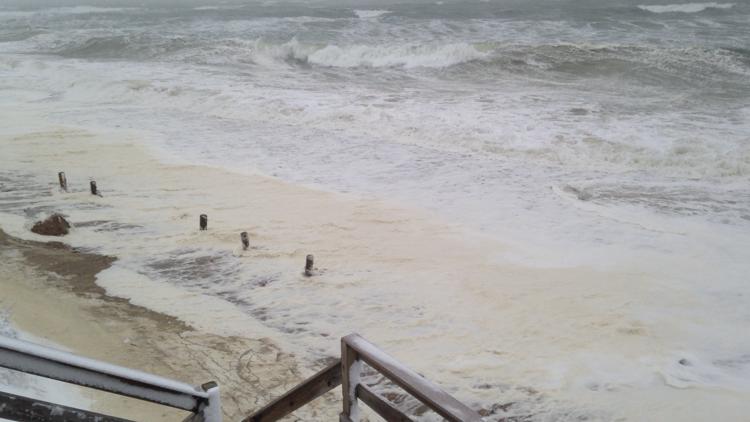
Coastal blizzards are rarely just snowstorms. They are multi-hazard events, combining snow, wind, water, and cold into a single system.
CLEVELAND — A blizzard is not defined by snowfall totals alone. It is a specific combination of wind, cold, and snow that fundamentally changes how winter weather behaves—especially along the coast, where the ocean becomes an active participant in the storm.
What Defines a Blizzard
In meteorological terms, a blizzard occurs when sustained winds or frequent gusts reach at least 35 mph, visibility drops to a quarter mile or less due to falling or blowing snow, and those conditions persist for three hours or more. Heavy snowfall may be part of the storm, but it is not required. Often, snow that has already fallen is lifted back into the air by strong winds, creating whiteout conditions long after the most intense precipitation ends.
This constant motion of snow is what makes blizzards particularly dangerous. Roads can disappear, landmarks vanish, and travel becomes hazardous in a matter of minutes.
Why the Coast Changes the Storm
Along the coast, blizzards gain complexity as cold air over land interacts with relatively warmer ocean waters. That temperature contrast feeds moisture into the storm and can enhance snowfall rates near the shoreline. It also creates sharp gradients, where rain may quickly transition to heavy, wet snow and then to lighter, drier snow as colder air deepens.
These transitions matter. Wet snow accumulates efficiently on trees, power lines, and structures, increasing the likelihood of damage and power outages. As temperatures fall and winds increase, that snow becomes easier to loft, intensifying blowing snow and reducing visibility.
Wind: The Dominant Force
Wind is often the defining feature of a coastal blizzard. Rapidly strengthening low-pressure systems offshore can produce sustained gale-force winds with higher gusts, particularly in exposed coastal communities, across bridges, and on barrier islands.
In open coastal environments, there are few obstacles to slow the wind. This allows blizzard conditions to persist longer, with whiteouts continuing even after snowfall rates decrease. Drifting snow can quickly block roads that were previously plowed, making travel unreliable and dangerous.
When Snow Meets the Ocean
Unlike inland blizzards, coastal storms can also raise sea levels. Strong onshore winds combined with low atmospheric pressure allow water to pile up along the coast, sometimes leading to coastal flooding or storm surge, especially near high tide.
Flooded roads, saltwater intrusion, and wave-driven erosion can occur at the same time heavy snow is falling. Beaches and dunes may erode, weakening natural coastal defenses and increasing vulnerability to future storms.
Impacts on Power and Access
Power outages are a common concern during coastal blizzards. Wet snow, strong winds, and salt spray place added stress on above-ground power lines. Restoration efforts can be delayed if flooding or drifting snow limits access for repair crews.
For island and peninsula communities, limited routes in and out can lead to temporary isolation, underscoring the importance of preparation before the storm arrives.
A Multi-Hazard Winter Storm
Coastal blizzards are rarely just snowstorms. They are multi-hazard events, combining snow, wind, water, and cold into a single system. Small changes in storm track, temperature, or wind direction can dramatically alter where the most severe impacts occur.
These storms don’t demand alarm, but they do demand respect. Along the coast, a blizzard is winter weather in its most dynamic form—capable of reshaping shorelines, disrupting infrastructure, and reminding us how powerful the interaction between atmosphere and ocean can be.
MORE WEATHER RESOURCES:
💌 Mantente al Día con lo Último del Entretenimiento Latino
Recibe noticias exclusivas de celebridades latinas, chismes virales, belleza, moda y entretenimiento — directo en tu correo.
Sin spam. Solo lo mejor de Atlanta Latinos Magazine.