Ahora rentando apartamentos de 2 habitaciones • Excelente ubicación • Vida asequible
The crew of four astronauts will be the first people to fly to the moon since Apollo 17 in 1972. They won’t be landing on the surface, though.
WASHINGTON — The first crewed lunar mission in more than 50 years is planned to take place in early February.
As of Jan. 30, the historic mission doesn’t have a set launch date. Specific conditions must be met for a safe launch, so the plans remain somewhat flexible. However, the first launch window is now set to begin Feb. 8, according to NASA.
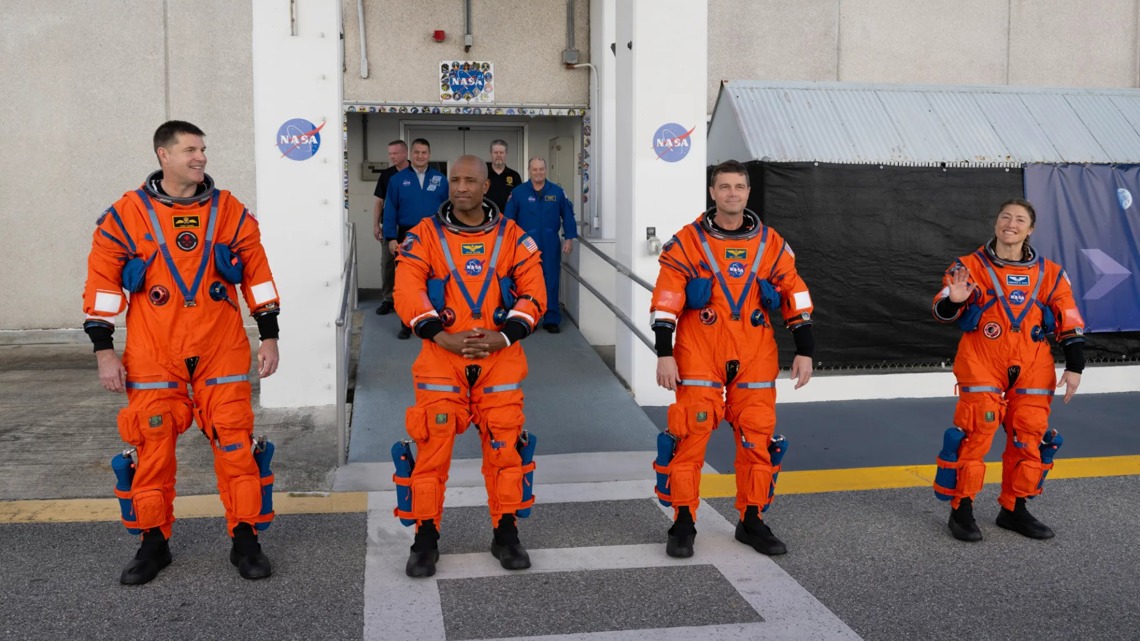
The crew of four astronauts will be the first people to fly to the moon since Apollo 17’s Gene Cernan and Harrison Schmitt closed out the triumphant lunar-landing program in 1972. They won’t be landing, though.
The mission is expected to last about 10 days, where the crew will do a flyby of the moon, check out Orion’s systems, and learn how to live and work on another world in preparation for human missions to Mars.
“Artemis II is a key test flight in our effort to return humans to the moon’s surface and build toward future missions to Mars, and it’s also an opportunity to inspire people across the globe and to give them an opportunity to follow along as we lead the way in human exploration deeper into space,” said Lori Glaze, acting associate administrator, Exploration Systems Development Mission Directorate at NASA Headquarters in Washington, in a statement.
Who is flying around the moon?
Three longtime NASA astronauts with spaceflight experience—crew Cmdr. Reid Wiseman, pilot Victor Glover, and Christina Koch—will be joined on the 10-day mission by Canadian astronaut Jeremy Hansen, a former fighter pilot awaiting his first rocket ride.
After launch, the crew will spend about two days checking out Orion’s systems and performing a targeting demonstration test relatively close to Earth before beginning the trek toward the moon.
The crew will then test the Space Launch System rocket and Orion spacecraft around the moon.
According to NASA, “The crew will assess the performance of the life support systems necessary to generate breathable air and remove the carbon dioxide and water vapor produced when the astronauts breathe, talk, or exercise.”
What this crew does will pave the way for lunar surface mission and long-term lunar science and exploration.

💌 Mantente al Día con lo Último del Entretenimiento Latino
Recibe noticias exclusivas de celebridades latinas, chismes virales, belleza, moda y entretenimiento — directo en tu correo.
Sin spam. Solo lo mejor de Atlanta Latinos Magazine.