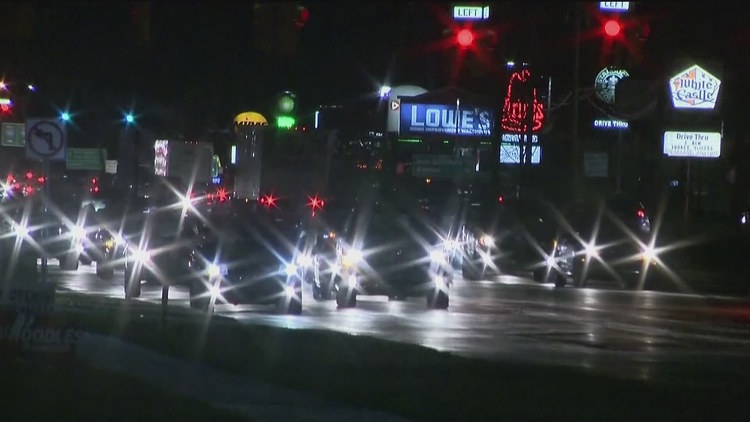
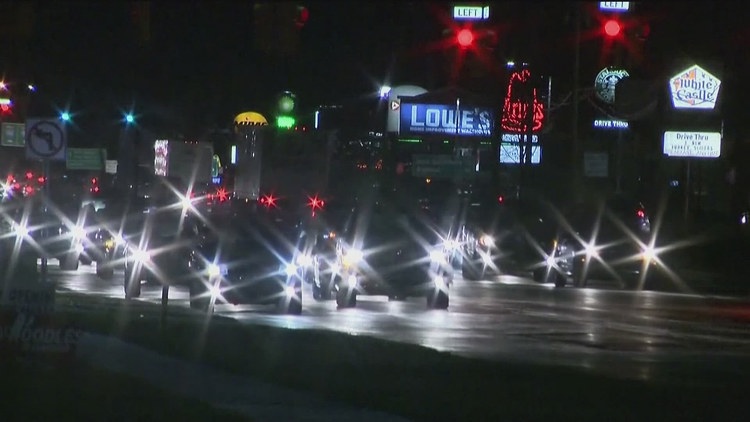
People may complain about bright headlights on newer cars, but IIHS research shows that low-visibility crashes have decreased and glare-related crash stats are flat.
ATLANTA — If you’ve noticed headlights seem blindingly bright lately, you’re not imagining things. The Insurance Institute for Highway Safety (IIHS) started rating headlights in 2016 and found 82% of new car models had marginal or poor headlights. Today, that number is down to just 16%, thanks to improvements like LED technology.
But what about glare complaints? IIHS research engineer Matthew Brumbelow says brighter headlights are making roads safer, not more dangerous. In a review of six million nighttime crashes, glare was a factor in only one to two out of every 1,000 crashes, and that rate hasn’t increased in the past decade — even as LED headlights became common.
While glare-related crashes haven’t risen, IIHS reports low-visibility crashes have dropped significantly, meaning brighter lights are helping drivers see better. IIHS did note that cars causing the glare are often not in the wrecks caused by glare, meaning the numbers of actual glare-related crashes could be higher.
One solution for glare could be adaptive driving beams, already used in other countries. These systems dim only the part of the beam that hits oncoming cars, keeping the rest bright. But U.S. regulations haven’t changed much since 1997, making implementing this technology harder for automakers, even as some have campaigned to change the rules.
Brumbelow adds that glare often feels worse when your own headlights are dim, because your eyes aren’t adjusted to the brightness.