
Ahora rentando apartamentos de 2 habitaciones • Excelente ubicación • Vida asequible
The unranked list was curated by the New York Times.
ATLANTA — Atlanta’s reputation as a cultural powerhouse extends beyond food and film into music, where it has become a defining force in R&B and hip-hop, so much so that The New York Times once dubbed it “hip-hop’s center of gravity.”
That influence is reflected in the paper’s recent “30 Greatest Living American Songwriters” list, compiled with input from hundreds of industry insiders.
Among those honored are five artists with deep ties to Atlanta.
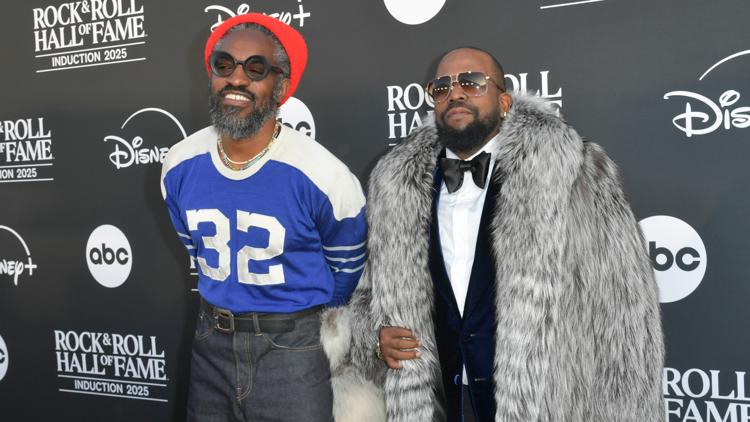
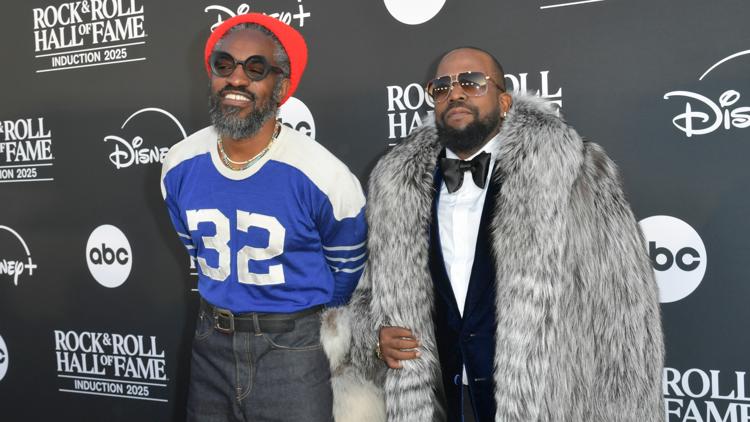
Outkast
Atlanta-based rap duo Outkast made the list. The group, comprised of André Benjamin, André 3000, and Antwan Patton, Big Boi, began with a seemingly trivial assignment: to make a Christmas song. It turned into a breakthrough moment with “Player’s Ball” (1993), a hit that introduced the wider world to Atlanta’s street culture and boldly asserted Southern identity in hip-hop.
From there, André 3000 and Big Boi built a sound rooted in local detail but aimed at universal appeal, especially on their 1994 debut album Southernplayalisticadillacmuzik, helping legitimize Southern rap on a national stage.
Though often cast as opposites, André 3000, the eccentric, and Big Boi, the grounded counterpart, both artists fluidly balanced innovation and accessibility. This was especially clear in their 2003 split project Speakerboxxx/The Love Below, which produced massive hits like “The Way You Move” and “Hey Ya!” Ultimately, Outkast normalized artistic risk in rap, setting a lasting standard for creativity and expanding what hip-hop could sound like.
Young Thug
Hailing from Atlanta’s Zone 3 neighborhood, Jeffery Williams, also known as Young Thug, rejected traditional songwriting structure altogether, favoring a fully improvisational style that often ignored conventional rhythm, phrasing, and even coherence. Where earlier rappers balanced spontaneity with structure, like his idol Lil Wayne, the publication highlighted Thug’s ability to lean into unpredictability, delivering performances that felt less written than instinctive.
The paper states his music draws from unexpected lineages, echoing the raw vocal energy of Little Richard and James Brown, while pushing rap into abstract, almost surreal territory. Songs like “Harambe” showcase his fragmented delivery, elastic melodies, and emphasis on ad-libs as central elements rather than embellishments.
In dismantling traditional song structure, Young Thug didn’t just challenge hip-hop norms; he helped reshape them. His influence can be heard in the experimental sounds of Playboi Carti and even in genre-blurring acts like 100 gecs, positioning him as a key architect of rap’s post-structure, anything-goes future.
The-Dream
Born in North Carolina, but raised in Atlanta’s Bankhead neighborhood, Terius Gesteelde-Diamant, better known as The-Dream, is behind many of the 21st century’s biggest pop and R&B hits.
The New York Times calls him a master “topliner” whose job is to craft melodies and lyrics that others bring to life. Though often invisible, his signature style, comprising elastic syllables, falsetto runs, and hypnotic repetition, has defined songs by artists such as Rihanna’s “Umbrella,” Beyoncé’s “Single Ladies,” Justin Bieber’s “Baby,” and Mariah Carey’s “Touch My Body.”
Working frequently with producer Tricky Stewart, The-Dream has shaped the sound of modern pop while remaining behind the curtain. At the same time, his solo work, albums like Love/Hate (2007) and Love vs. Money (2009, showcase a more experimental, sensual side, blending influences from Prince and R. Kelly.
A product of Atlanta’s rich music ecosystem, The-Dream channels the city’s fusion of gospel, hip-hop, and R&B. His songwriting often merges the sacred and the profane, pairing church-rooted musicality with themes drawn from club culture and street life.
Babyface
Kenneth “Babyface” Edmonds built one of the most influential songwriting and production careers in modern pop and R&B, shaping the sound of love songs across decades with hits like “End of the Road” and “I’ll Make Love to You.” But his impact isn’t just tied to individual records; it’s also deeply connected to Atlanta’s rise as a music capital.
In 1989, Babyface co-founded LaFace Records alongside L.A. Reid, establishing the label in Atlanta and helping turn the city into a powerhouse for R&B and hip-hop. Through LaFace, he helped launch and develop major acts like TLC, Usher, and Toni Braxton, blending his signature emotional clarity with a distinctly Southern polish.
While Babyface’s roots trace back to Indianapolis, his work with LaFace cemented his role in Atlanta’s musical identity, bridging classic soul songwriting traditions with the city’s modern dominance in popular music.
Read more about the artists here: https://www.nytimes.com/interactive/2026/magazine/greatest-american-songwriters-alive.html
💌 Mantente al Día con lo Último del Entretenimiento Latino
Recibe noticias exclusivas de celebridades latinas, chismes virales, belleza, moda y entretenimiento — directo en tu correo.
Sin spam. Solo lo mejor de Atlanta Latinos Magazine.