
Ahora rentando apartamentos de 2 habitaciones • Excelente ubicación • Vida asequible
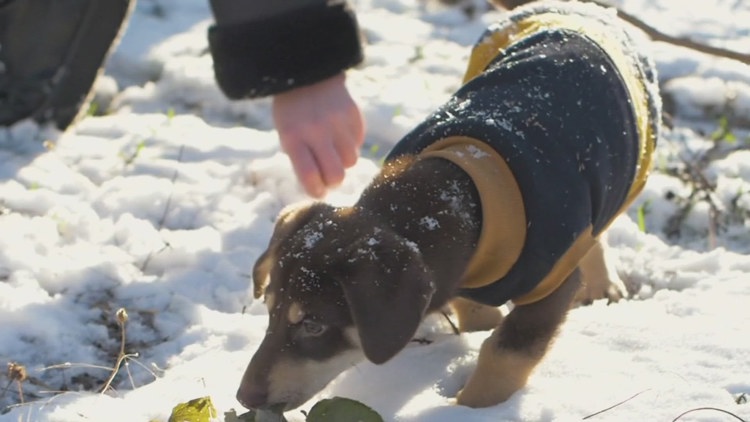
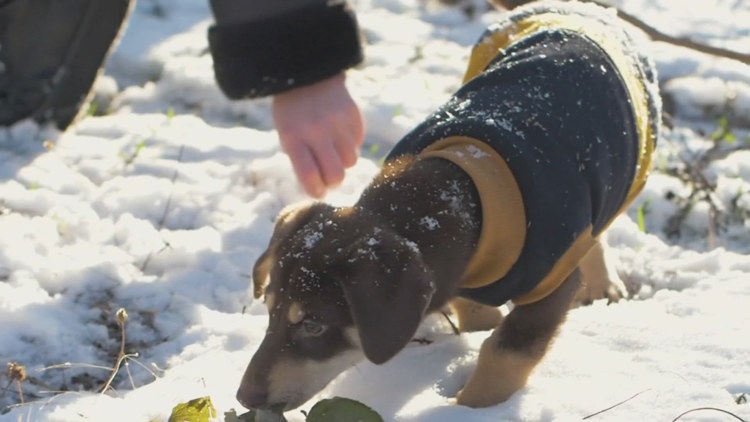
Extreme cold weather poses a risk for many domestic pets and even livestock. Here are some tips for pet owners to keep in mind when cold air becomes dangerous.
WASHINGTON — Extreme cold weather poses a risk for many domestic pets and even livestock, just like humans. That’s why it’s important for pet owners to keep these tips in mind when cold air becomes dangerous.
As bitter arctic air settles in across the U.S., millions are under cold weather alerts. But how cold is too cold for pets?
In 2018, Tufts University, known for its Cummings School of Veterinary Medicine, developed cold weather guidelines based on dog breeds. In general, researchers emphasize that temperature tolerance varies, but generally, dogs and cats should be indoors when it’s freezing outside.
Learn their limits
While most dogs are comfortable above 45°F, pets that are small, elderly or thin-coated may need sweaters once temps fall below that threshold. Between 20°F and 32°F, frostbite and hypothermia risks rise, making coats, booties and shorter walks essential. Below 20°F, conditions become dangerous for most dogs, and outdoor exposure should be limited to brief, supervised outings with protective gear.
Monitor your pet for signs of discomfort
While your pet can’t actually speak and tell you they’re cold, there will be signs. For example, your dog may be shivering or lifting their paws. Whining also signals some kind of anxiety or discomfort.
Bundle up
Animals with thicker or longer hair may help protect against low temperatures and winter weather conditions, but medium and short-haired pets won’t have the same level of protection against the cold. For pets that need to spend time outdoors, consider investing in winter gear like sweaters, coats, and booties. These can provide extra insulation and protect against icy surfaces and harmful de-icing chemicals.
Provide warm shelter
If your pet lives outdoors, ensure their shelter is well-insulated and elevated off the ground. Add plenty of bedding and position the shelter’s entrance away from the wind. Check often to ensure their water supply isn’t frozen.
Be aware of hidden dangers
Cold weather brings unique hazards. Antifreeze is highly toxic to pets but has a sweet taste that attracts them. Always clean up spills and store chemicals out of reach.
Check paws regularly if there’s ice or snow
After outdoor walks, inspect your pet’s paws for ice, salt, or cracks. Cleaning their paws with a warm, damp cloth can prevent irritation and ingestion of toxic substances like antifreeze or rock salt.
Know when to see a vet
If your pet shows signs of frostbite (pale or blue skin) or hypothermia (lethargy, weakness, or shivering), seek veterinary care immediately. Early intervention can make a big difference.
Check vehicles for hidden critters
Animals, wild or domestic, will instinctually seek shelter and safety when conditions become dangerous. That may include the hood of a vehicle for outdoor creatures. Before starting your engine, make some noise to alert any critters that may have curled up underneath the vehicle for warmth and protection.
Prepare for power outages
It’s important to include your pets in the plan when preparing for a possible power outage. That may include extra water or blankets to stay warm.
Don’t forget the livestock!
Staying warm uses a lot of energy, so it may be worthwhile to increase feed for livestock during cold stretches. Also, it’s important to be mindful that water sources, whether natural or farm managed, are also at risk of freezing.
Safe, clean shelter or protective layers for non-domestic animals are also important during winter storms or extreme cold.
For more information about animal safety, visit the American Red Cross website or the ASPCA website.
KHOU and NEWS CENTER Maine, both TEGNA stations, contributed to this report.
💌 Mantente al Día con lo Último del Entretenimiento Latino
Recibe noticias exclusivas de celebridades latinas, chismes virales, belleza, moda y entretenimiento — directo en tu correo.
Sin spam. Solo lo mejor de Atlanta Latinos Magazine.