
Ahora rentando apartamentos de 2 habitaciones • Excelente ubicación • Vida asequible
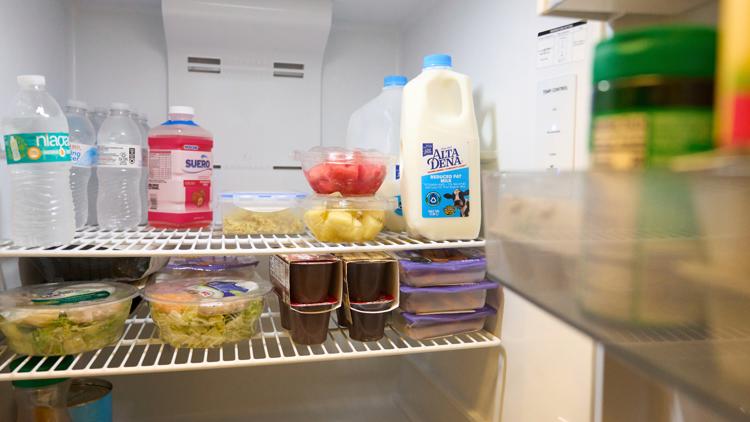
If you’re at risk of losing power, there are things you can do beforehand to help ensure that you have safe food available during an outage.
WASHINGTON — When the power goes out, the risk of food spoilage goes up for refrigerated items. Many people turn to a secondary source of power during an outage, such as a generator, but it’s not always an option.
If you’re at risk of losing power for a day or more, there are things you can do before, during and after to help prevent you from getting sick.
Here are verified ways to reduce the risk of food-related illness during a power outage from the U.S. Department of Agriculture’s Food Safety and Inspection Service, the U.S. Centers for Disease Control and Prevention and the Food and Drug Administration.
Before
There are a few ways to prepare, if you know in advance that a power outage is likely.
Keep a cooler handy, and make sure you have a few gel packs or other ice packs ready to use. Purchase dry ice or block ice, which can also help keep food cold longer in the fridge or cooler.
Keep appliance thermometers in the fridge and freezer to help you track food-safe temperatures. The fridge should be 40 degrees Fahrenheit or below, and the freezer should be at or below 0 degrees Fahrenheit.
During
Keep the refrigerator and freezer doors closed.
On average, a fridge will keep food safe for up to four hours. However, if the power outage lasts longer or if you’re dealing with excessive heat, you may need to add ice blocks or ice packs to keep temps at or below 40 degrees or below.
A full freezer will hold the temperature for about 48 hours, but a half-full freezer will only hold for about 24 hours.
If the outside air temperatures are within food-safe ranges, you may be tempted to put food outside. However, food safety experts caution against that. According to the USDA, outside temps can vary, and foods can be exposed to unsanitary conditions or animals.
After
Once the power returns, it’s important to check the food temperatures. According to the FDA, perishable food items with temps at or below 45 degrees should be safe, but they should be cooked and consumed as soon as possible.
Perishable foods such as meat, poultry, seafood, milk and eggs that are not kept within food-safe temperature ranges may cause illness if they’re consumed, even if they are thoroughly cooked.
Dispose of any foods with unusual textures, odors or colors.
Finally, never taste food to determine if it is safe to eat. “When in doubt, throw it out.”
💌 Mantente al Día con lo Último del Entretenimiento Latino
Recibe noticias exclusivas de celebridades latinas, chismes virales, belleza, moda y entretenimiento — directo en tu correo.
Sin spam. Solo lo mejor de Atlanta Latinos Magazine.