Ahora rentando apartamentos de 2 habitaciones • Excelente ubicación • Vida asequible
The ship was expected to launch in early February, but a leak in the propellant system changed that. Here are all the other launch windows for the project.
WASHINGTON — Artemis II, the mission bringing Americans back around the moon for the first time in more than five decades, was set to launch in early February, but that isn’t when it will take to the sky. After two delays, the launch window is closing. Here’s when the ship could launch.
Feb. 6 was the first day of Artemis II’s launch window, but it was delayed after a wet dress rehearsal to test the fuel revealed leaks in the rocket’s cryogenic propellant system, according to NASA.
An interruption in “helium flow in the SLS interim cryogenic propulsion stage” was detected overnight Feb. 21, which NASA Administrator Jared Isaacman said would take the March launch window “out of consideration.”
The ship will launch from Launch Complex 39 at NASA’s Kennedy Space Center in Florida, no earlier than April 2026, NASA previously said.
Although the launch date was pushed back, Artemis II has multiple launch opportunities from March through April.
There are several factors that could delay the launch again.
NASA previously said it would “pause to address any issues during the test or at any other point should technical challenges arise.”
The Earth and the moon don’t stand still; they’re constantly moving in space, and it can cause issues with launch. Another thing that could cause delay would be weather, issues during tests and checks, orbital mechanics and much more.
The leak issue prompted NASA to push the launch to sometime in March, at the earliest.
Now that the ship is likely unable to launch in March, April will be the last month for mission availability. NASA said the ship could launch between April 1, April 3 through 6 or April 30.
Who is flying around the moon?
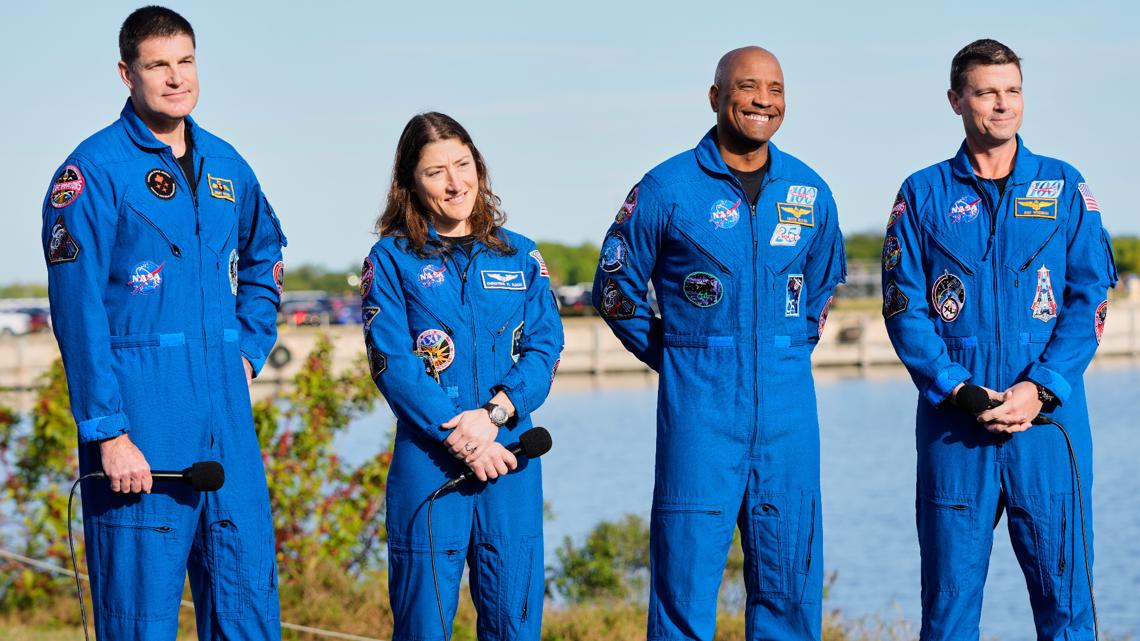
Crew Commander Reid Wiseman, pilot Victor Glover and Christina Koch — longtime NASA astronauts with spaceflight experience — will be joined on the 10-day mission by Canadian astronaut Jeremy Hansen, a former fighter pilot awaiting his first rocket ride.
After launch, the crew will spend about two days checking out Orion’s systems and performing a targeting demonstration test relatively close to Earth before then beginning the trek toward the moon.
The crew will then test the Space Launch System rocket and Orion spacecraft around the moon. According to NASA, “the crew will assess the performance of the life support systems necessary to generate breathable air and remove the carbon dioxide and water vapor produced when the astronauts breathe, talk, or exercise.”
What this crew does will pave the way for lunar surface mission and long-term lunar science and exploration.

💌 Mantente al Día con lo Último del Entretenimiento Latino
Recibe noticias exclusivas de celebridades latinas, chismes virales, belleza, moda y entretenimiento — directo en tu correo.
Sin spam. Solo lo mejor de Atlanta Latinos Magazine.