Ahora rentando apartamentos de 2 habitaciones • Excelente ubicación • Vida asequible
If you’ve been driving along Georgia 400 between Sandy Springs and Forsyth County over the course of the past few weeks, chances are you’ve noticed trees being cut.
FULTON COUNTY, Ga. — Drivers who use Georgia 400 should plan for lane and ramp closures this week as major construction continues on the corridor’s new express lanes project.
The Georgia Department of Transportation said rolling closures will affect northbound ramps at Northridge Road from 7 a.m. to 5 p.m. beginning Tuesday. Additional overnight lane closures are also expected on nearby cross streets.
Officials said the work is scheduled to continue through Friday.
The closures are part of a larger effort to expand capacity along the heavily traveled highway, where commuters frequently report daily congestion and crashes that cause significant delays.
State leaders approved a plan to add about 16 miles of new express lanes along the corridor, stretching from North Springs MARTA Station to McFarland Parkway.
Transportation officials said the project is expected to be completed in 2031.
Massive Georgia 400 overhaul
If you’ve been driving along Georgia 400 between Sandy Springs and Forsyth County over the course of the past few weeks, chances are you’ve noticed trees being clear cut across the highway.
That’s because early construction has officially begun on the massive $4.6 billion toll express lane project along a stretch of 400 that is expected to take roughly six years to complete.
Luckily for taxpayers, a private sector partner was selected for the project last year and committed a concession payment to the state of $4.05 billion and will deliver the project through a combination of financing methods. As a result, the project will not require any additional public funding to build, operate and maintain.
That means that taxpayers won’t have to fund a single cent for the construction of this project.
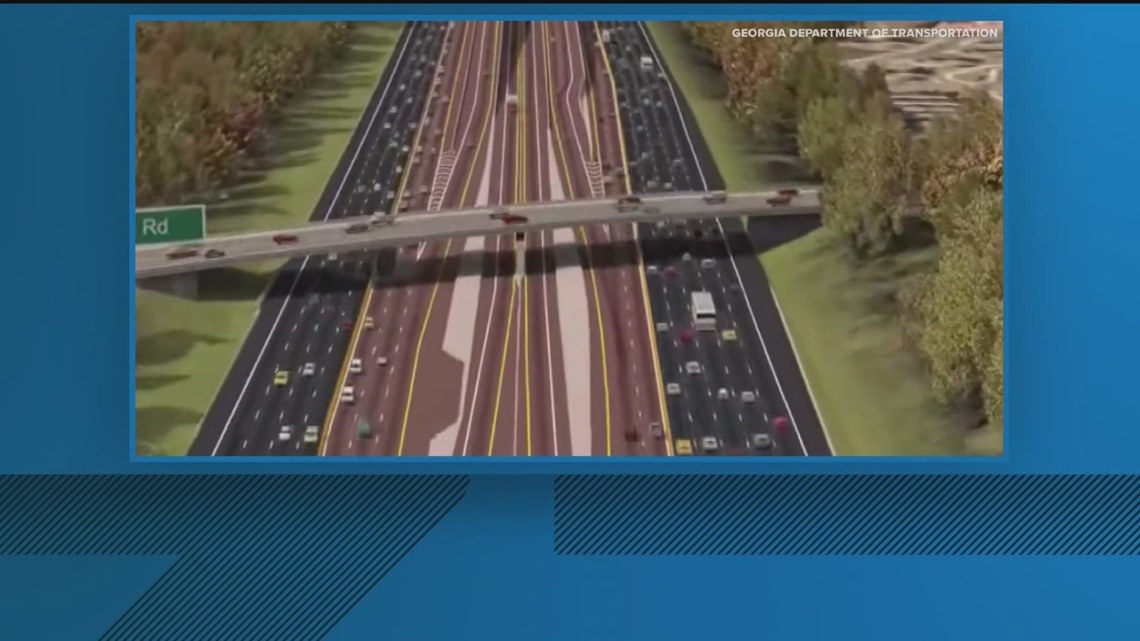
The project calls for the addition of two managed express lanes in each direction alongside the current highway between North Springs Station and the area just past McFarland Parkway. Certain segments will also receive an extra managed lane, and another stretch—approximately 1.5 kilometers between McGinnis Ferry Road and McFarland Parkway—will get one express lane each way.

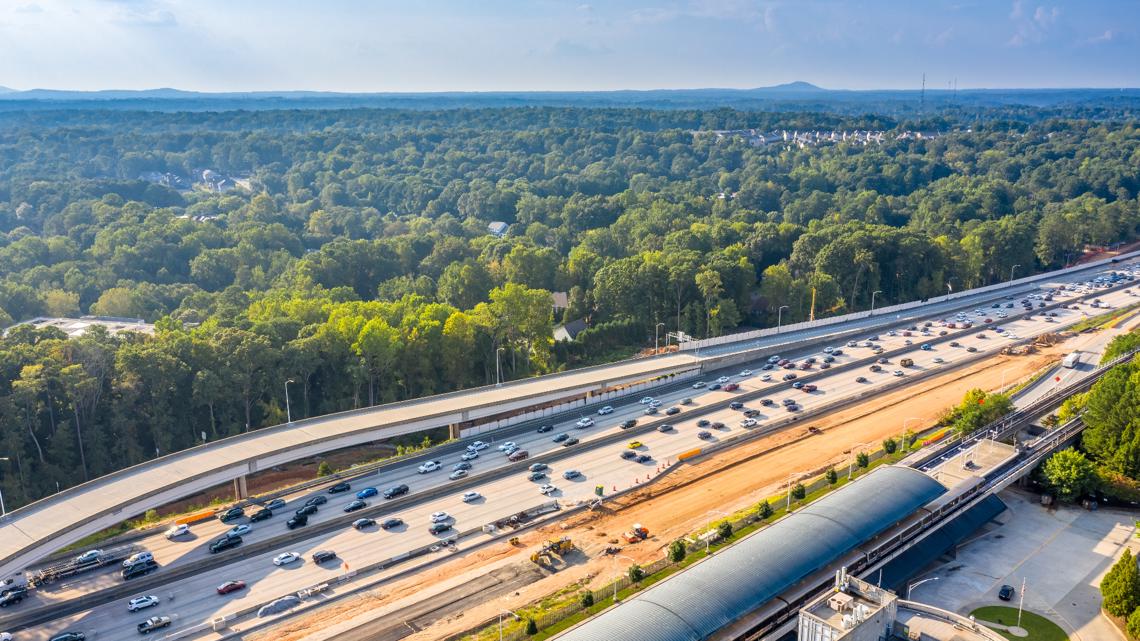
A number of existing bridges, including those at Pitts Road, Roberts Drive, and Kimball Bridge, will undergo upgrades as part of the overall improvements.
These new lanes will operate with flexible toll pricing, giving drivers the option to avoid heavy traffic and benefit from more predictable travel times. The consortium intends to introduce a dynamic tolling system that adjusts rates based on real-time traffic levels. By changing prices according to demand, the system aims to smooth traffic flow, reduce congestion, and cut down on vehicle emissions.
When the work is complete, drivers will be able to enter or exit the express lanes through multiple access points along the route.
The planned Bus Rapid Transit line (BRT) will start at the North Springs MARTA Station and run north to the Windward Parkway Park and Ride, where it will link with other MARTA services. The private development partner will construct major components of BRT stops at Holcomb Bridge Road and the North Point Mall area, as well as direct-access facilities at North Springs and Windward Parkway. SR 400 Peach Partners will contribute $26 million toward these efforts.
Construction will be coordinated to limit impacts on current traffic patterns, using advanced modeling and radar-based technology. The team will also implement environmental protections and community-focused initiatives that support local businesses and entrepreneurs.


Tree clearing activities began in September and remain ongoing, according to the official GDOT website for the project. This initial work is being performed in advance of “heavy construction” that will begin along the 16-mile stretch. That heavy construction is expected to start in the second half of 2026, in roughly one year’s time from now.
GDOT said the tree clearing work will pause at the end of November. Crews will continue removing and hauling remaining debris throughout the corridor as part of normal cleanup operations. GDOT said tree clearing is then expected to resume in the spring.
Trees are cleared for several reasons, including creating sufficient space for the new express lanes, establishing safe work zones, relocating utilities, and preparing for future drainage and grading needs. Certain areas were cleared first, including right near the Chattahoochee River, because those locations fall in the project areas where construction will begin soonest.

Resident Chris McLatcher thought a storm took out the trees.
“Atlanta’s so beautiful and the trees are beautiful here, it’s what makes our town unique, so of course I miss having the natural look when I’m driving,” McLatcher told 11Alive’s Gilat Melamed.
He said part of him understands why something needs to be done to the highway regarding traffic, though he isn’t too optimistic that traffic will clear up. He hopes some of the cleared trees can be replanted when the project’s complete.
“I would hope they would bring something back,” McLatcher said.
The project is currently under it’s “Early Works” stage, and in the summer of 2026, will begin its “Construction” phase where major roadway and bridge work will begin.
💌 Mantente al Día con lo Último del Entretenimiento Latino
Recibe noticias exclusivas de celebridades latinas, chismes virales, belleza, moda y entretenimiento — directo en tu correo.
Sin spam. Solo lo mejor de Atlanta Latinos Magazine.