From rotavirus cases surging due to lower vaccination rates to the Red Cross highlighting National Minority Health Month, here are today’s health headlines.
CLEVELAND —
Rotavirus is surging. Experts are worried about what’s coming next.
Hospitals across the U.S. are seeing a steady rise in young children sick with severe vomiting and dehydration — and rotavirus is to blame. Many health experts blame declining vaccination rates for the surge.
In January, the U.S. Centers for Disease Control and Prevention shifted the rotavirus vaccine from a universal recommendation to a parent-by-parent decision — a move that concerns many in the medical community.
The vaccine has a narrow and unforgiving window. It must begin before 15 weeks of age and be completed by eight months. There is no catchup option. Miss the window, and the child cannot be vaccinated.
Experts warn the real impact of the policy change won’t be felt until 2027 and 2028, when unvaccinated infants born after the recommendation change reach peak vulnerability. Current coverage sits around 70 to 75 percent — and providers say what comes next could be significantly worse.
The CDC’s own data show coverage is already lower among Black, Hispanic, and American Indian and Alaska Native children, and among those on Medicaid or without insurance — meaning the burden of any surge will fall hardest on the most vulnerable families.
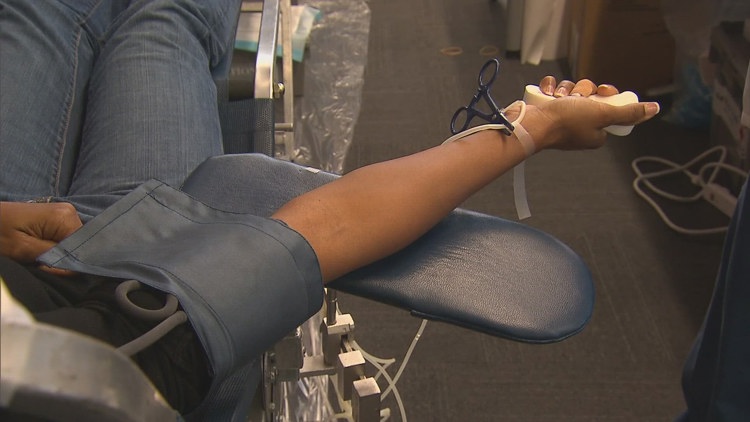
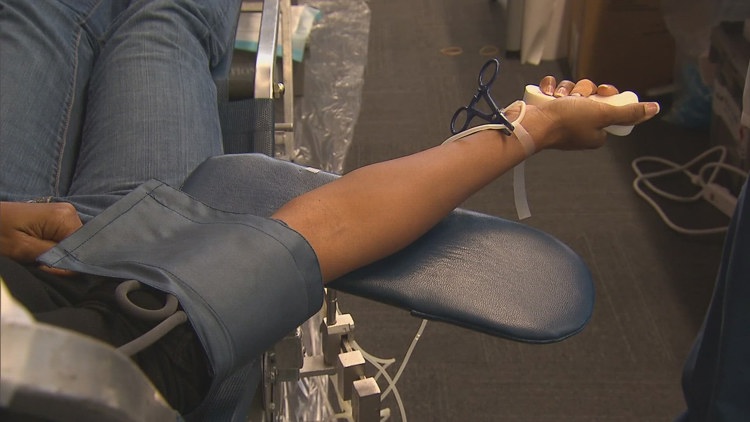
April is National Minority Health Month — and the need for blood is real
April is National Minority Health Month, a time to spotlight the lasting health disparities facing diverse communities across the country, and the American Red Cross says the need for diverse blood donors has never been more urgent.
Nearly 16 million blood components are transfused every year in the U.S.
Certain diseases disproportionately affect minority communities, including sickle cell disease and the inherited blood disorder thalassemia—both of which require regular transfusions.
One in three African American donors is a match for a patient with sickle cell disease. Since launching its Sickle Cell Initiative in 2021, the Red Cross has added more than 170,000 first-time African American donors to the nation’s blood supply, helping reverse a years-long decline in donations from that community.
More diverse donors mean a more adequate and compatible supply for patients who need it most.