
Ahora rentando apartamentos de 2 habitaciones • Excelente ubicación • Vida asequible
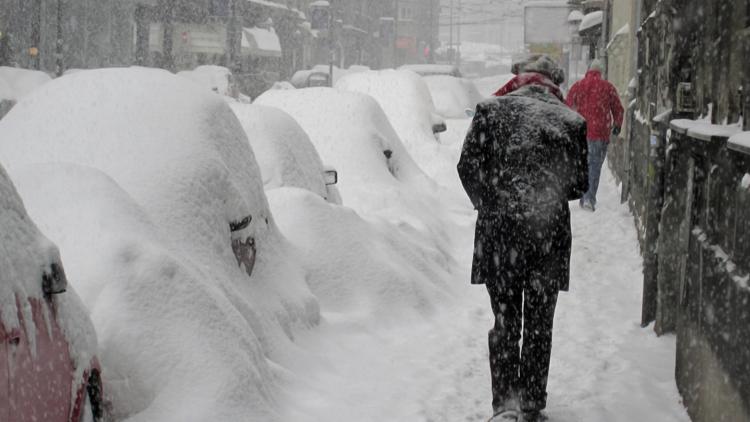
A blizzard, defined by fierce winds and chilling cold, transforms landscapes and halts daily life.
CLEVELAND — A blizzard is not defined by how much snow falls, but by how the atmosphere behaves. It’s a storm where wind, cold, and snow combine in a way that reshapes the landscape and slows daily life to a crawl. To meteorologists, a blizzard is a specific set of conditions. To those who experience one, it’s a reminder of winter’s raw power.
What Makes a Blizzard a Blizzard
In meteorological terms, a blizzard occurs when sustained winds or frequent gusts reach at least 35 mph, visibility is reduced to a quarter mile or less due to falling or blowing snow, and those conditions persist for at least three hours. Heavy snowfall can be part of the picture, but it doesn’t have to be. In many blizzards, snow that fell earlier is lofted back into the air by strong winds, creating whiteout conditions even after the heaviest precipitation has ended.
At the heart of most blizzards is a powerful low-pressure system. As the pressure difference tightens between the storm and surrounding high pressure, winds accelerate. Cold air wrapping into the system ensures that snow remains dry and easily blown, while strong lift in the atmosphere sustains snowfall rates. The result is not just snow on the ground, but snow in motion—drifting, swirling, and reshaping the environment minute by minute.
The Role of Wind and Cold
Wind is often the defining feature of a blizzard. It scours open areas, piles snow into deep drifts, and dramatically reduces visibility. Roads that appear clear one moment can vanish the next as gusts sweep snow back across them. Even experienced drivers can quickly lose their bearings.
Cold temperatures amplify the danger. Wind chills can drop to life-threatening levels, making frostbite possible in minutes. In these conditions, exposure becomes as serious a risk as the storm itself. The cold also affects infrastructure, stressing power systems and increasing the likelihood of outages as demand for heat rises.
Impacts Beyond the Snowfall
Blizzards affect far more than travel. Extended power outages can disrupt heating, communications, and access to water. Emergency response times may slow as roads become impassable. Rural areas can be isolated for days, while urban centers may struggle with snow removal and transit shutdowns.
There’s also a quieter impact: the way a blizzard changes sound and space. Strong winds can make the outdoors feel disorienting, while heavy snowfall absorbs noise, creating an eerie stillness once the wind eases. These moments often leave lasting impressions, especially for those experiencing a true blizzard for the first time.
Coastal Challenges
In coastal areas, blizzards are often more complex and hazardous than their inland counterparts because the ocean actively influences both the storm and its impacts. Cold air over land interacting with relatively warmer water can enhance snowfall rates and create sharp transitions between rain, heavy wet snow, and drier blowing snow, increasing the risk of power outages as snow loads cling to trees and lines. Strong pressure gradients near coastal storms frequently produce damaging winds that drive whiteout conditions, especially in exposed locations like bridges and barrier islands. At the same time, onshore winds and low pressure can cause coastal flooding and storm surge, sometimes coinciding with high tide and compounding impacts with saltwater inundation. Beach erosion, infrastructure damage, and isolation of coastal or island communities add to the challenge, making coastal blizzards true multi-hazard events where snow, wind, water, and cold all play critical roles.
Respecting the Storm
Blizzards are not rare in many parts of the country, but each one is unique. Small differences in storm track, temperature, or wind direction can dramatically alter who sees the worst conditions. Forecasting these storms is both a science and a challenge, requiring constant refinement as new data arrives.
They demand respect—not fear, not hype, but preparation and awareness. When people heed forecasts, limit travel, and plan for outages, the risks drop sharply. And when the storm finally passes, what remains is often a transformed landscape, shaped by forces that operate on a scale far larger than any one community.
Blizzards remind us that weather is not just something we observe; it’s something we live within. And on rare occasions, it shows us just how dynamic and powerful the atmosphere can be.
MORE WEATHER RESOURCES:
💌 Mantente al Día con lo Último del Entretenimiento Latino
Recibe noticias exclusivas de celebridades latinas, chismes virales, belleza, moda y entretenimiento — directo en tu correo.
Sin spam. Solo lo mejor de Atlanta Latinos Magazine.