Ahora rentando apartamentos de 2 habitaciones • Excelente ubicación • Vida asequible
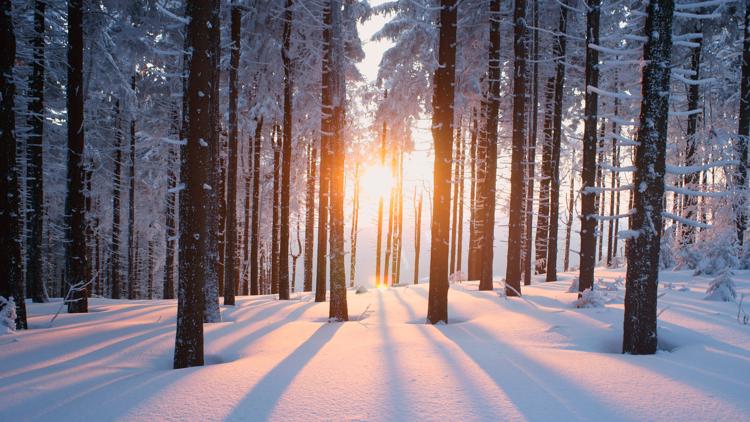
Here’s everything to know ahead of the winter solstice this weekend.
WASHINGTON — The winter solstice, the astronomical start of winter, is this weekend.
For those north of the equator, the solstice on Sunday, Dec. 21, marks the shortest day and longest night of the year.
During the winter solstice, the sun will be at its lowest noontime point in the sky for 2025. That’s because it’s when the northern half of the Earth is tilted its farthest away from the sun due to the planet’s axis.
Conversely, those south of the equator will simultaneously see the longest day of the year – known as the summer solstice. The Northern Hemisphere will see less than 12 hours of daylight while the southern half of the Earth basks in daylight longer than 12 hours, according to NASA.
After the solstice, days will gradually become longer, offering a glimmer of hope for those anticipating the return of extended daylight.
The longest day of the year will come during the summer solstice in June.
What time is the winter solstice 2025?
The winter solstice begins on Saturday, Dec. 21, at 10:03 a.m.. Eastern Time, according to the Old Farmer’s Almanac.
While it’s often believed that the winter solstice is an event that covers a whole calendar day, the solstice actually lasts just a moment, the Old Farmer’s Almanac explains.
When does winter start?
The winter solstice marks the start of the astronomical winter, occurring between Dec. 21 and Dec. 22 each year.
In meteorology, the official start of the winter season is on Dec. 1, marking the beginning of the three coldest months of the year in the northern hemisphere.
What’s the difference between an astronomical and a meteorological season?
Astronomical seasons are determined by the Earth’s tilt and the sun’s alignment over the equator, according to the National Centers for Environmental Information. These seasons are split into summer and winter solstices and fall and spring equinoxes.
During the spring and fall equinoxes, the Earth’s axis and its orbit line up so that both hemispheres get an equal amount of sunlight.
The word equinox comes from two Latin words, meaning equal and night. That’s because on the equinox, day and night last almost the same amount of time — though one may get a few extra minutes, depending on where you are on the planet.
The Northern Hemisphere’s spring — or vernal — equinox can land between March 19 and 21, depending on the year. Its fall – or autumnal — equinox can land between Sept. 21 and 24.
Additionally, the start dates for solstices and equinoxes vary depending on whether it’s a leap year.
Meteorological seasons are divided into three-month groups based on annual temperature cycles, the NCEI says. These seasons are more closely aligned to our monthly calendar than astronomical seasons.
💌 Mantente al Día con lo Último del Entretenimiento Latino
Recibe noticias exclusivas de celebridades latinas, chismes virales, belleza, moda y entretenimiento — directo en tu correo.
Sin spam. Solo lo mejor de Atlanta Latinos Magazine.