
Ahora rentando apartamentos de 2 habitaciones • Excelente ubicación • Vida asequible
With La Niña fading and the possibility of a strong El Niño on the horizon, the 2026 hurricane season could still bring surprises.
ATLANTA — La Niña, the climate pattern marked by cooler water temperatures in the Pacific, is losing strength, and NOAA is watching closely, because it could mean fewer Atlantic hurricanes this year.
“Sea surface temperatures are gradually weakening, and we’re close to our threshold for the return of ENSO-neutral conditions,” said Michelle L’Heureux, a physical scientist and ENSO team lead at NOAA’s Climate Prediction Center.
NOAA’s Climate Prediction Center has issued an El Niño watch, and gives a 62% chance of an El Niño emerging sometime between June and August. The CPC says it will likely last through at least the end of 2026.
What are El Niño and La Niña?
El Niño and La Niña are opposite phases of the El Niño–Southern Oscillation (ENSO), a climate pattern involving changes in the water temperature in the central and eastern tropical Pacific Ocean. These small changes affect weather worldwide.
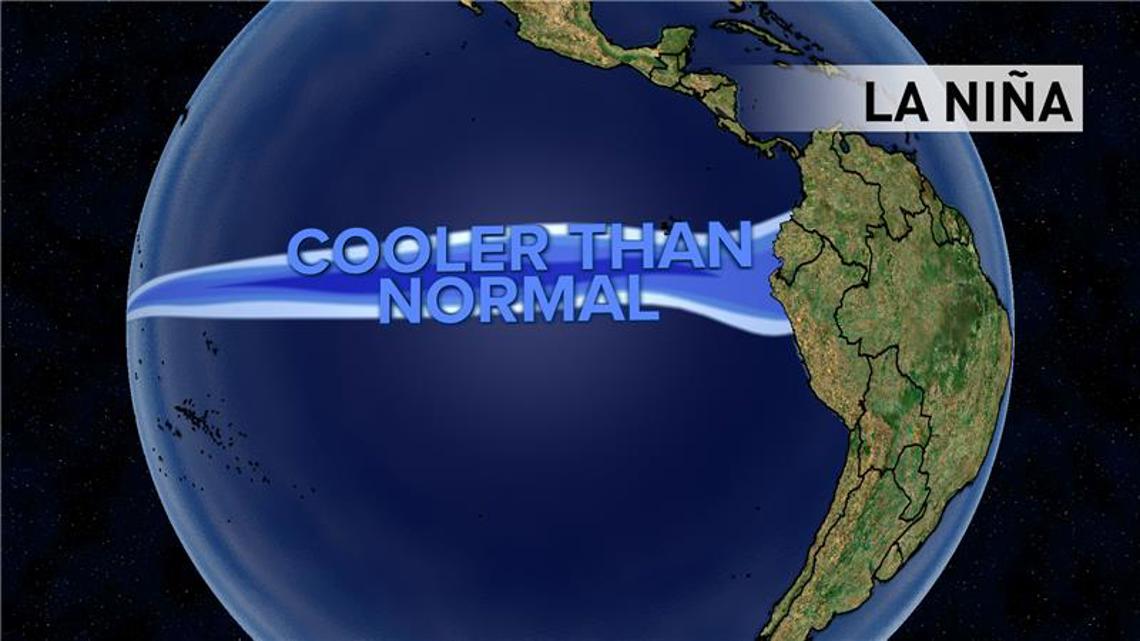
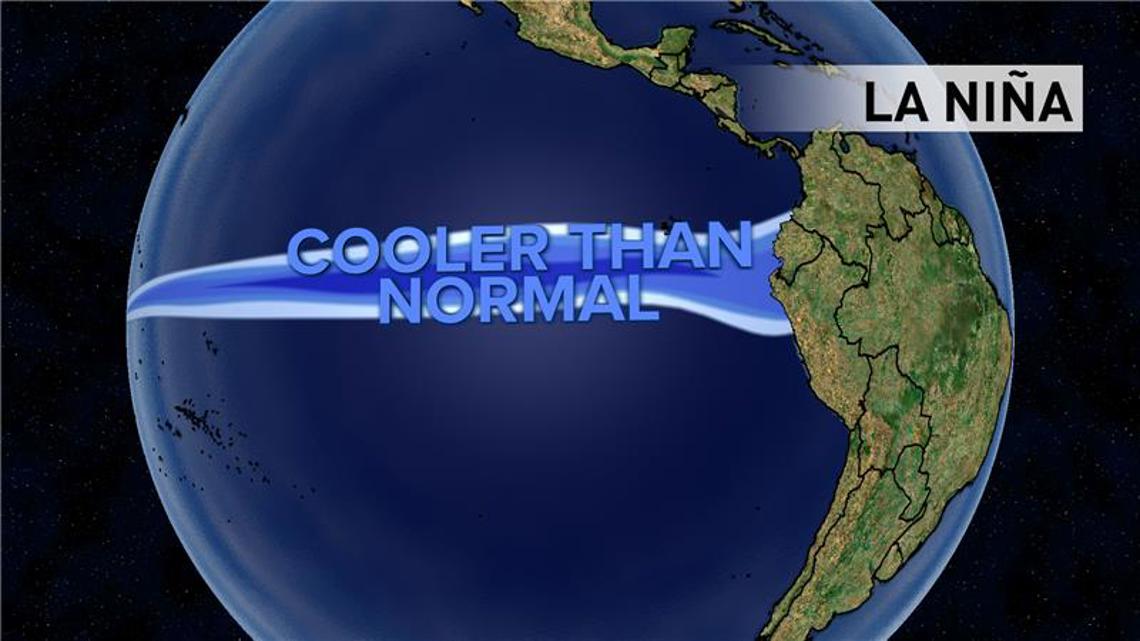
La Niña occurs when Pacific waters are cooler than normal, often leading to more Atlantic hurricanes and changes in global rainfall patterns. Unlike El Niño, with this pattern tends to have more stable winds over the Atlantic and storm-friendly components, such as more moisture and rising air. Pacific storms, however, are more common.
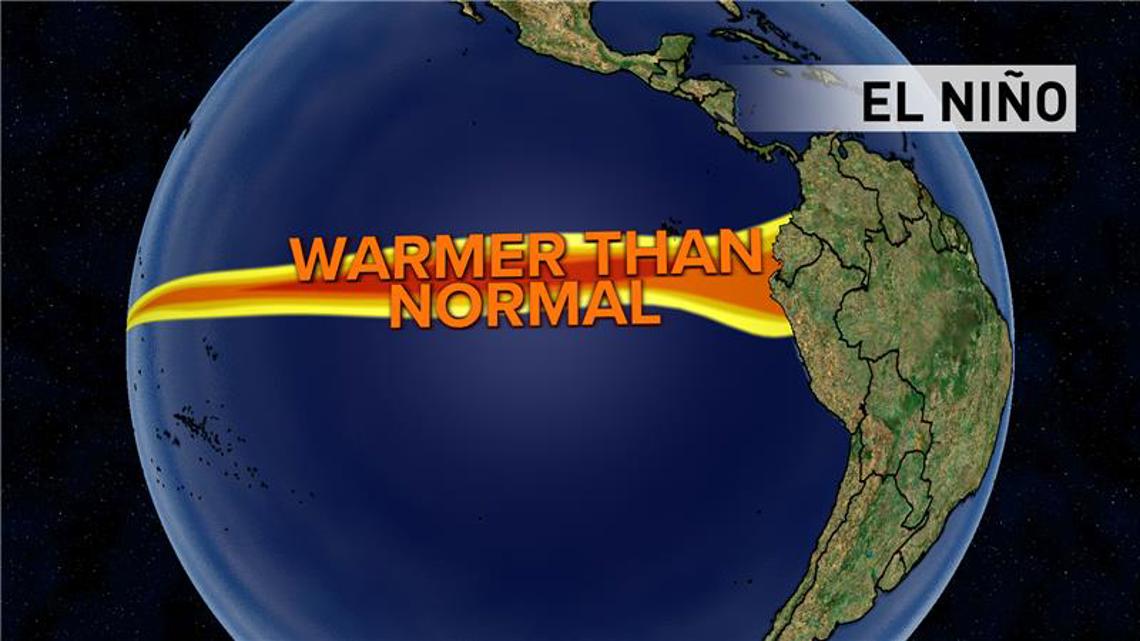
An El Niño occurs when the tropical Pacific waters are warmer than average. El Niño years typically lead to more erratic upper-level winds over the tropical Atlantic, which can tear hurricanes apart.
How likely is a strong El Niño?
L’Heureux says NOAA doesn’t officially use the term “Super El Niño,” but a strong event — defined as temperatures in the exceeding +1.5°C — currently has a 17% chance for August through October 2026.
What could this mean for hurricanes?
Historically, strong El Niño conditions reduce tropical storm activity in the Atlantic, especially in the western Atlantic Ocean Basin. But they increase storm activity in the eastern and central Pacific.
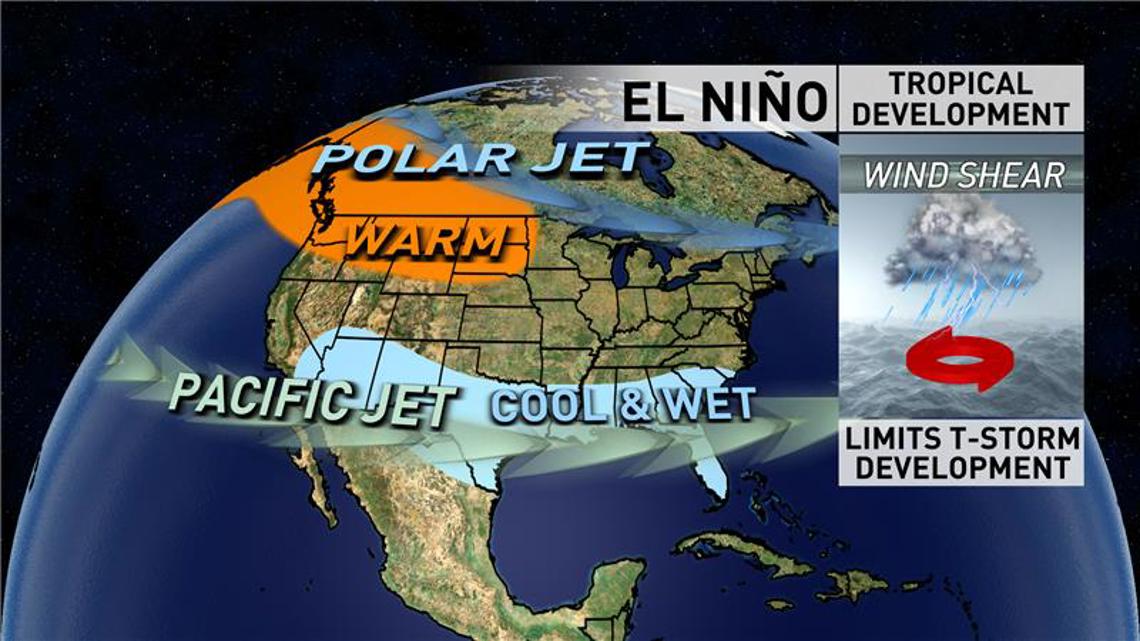
Even El Niño years are known to produce strong hurricanes
Although most of the Atlantic hurricane season is driven by ocean temperatures and El Niño/La Niña, with Atlantic waters carrying the biggest impact — other factors matter too.
“ENSO is only one factor in the NOAA Hurricane Seasonal Outlook,” said Matthew Rosencrans, NOAA’s lead for the seasonal hurricane outlook. “It’s important to wait for the full forecast to see the outlook across all three ocean basins.”
NOAA typically issues its first hurricane outlook in May, and makes adjustments throughout the season.
Bottom line: Stay prepared
With La Niña fading and the possibility of a strong El Niño on the horizon, the 2026 hurricane season could still bring surprises. One storm can change entire communities, that’s why it’s important to stay aware and prepared.
💌 Mantente al Día con lo Último del Entretenimiento Latino
Recibe noticias exclusivas de celebridades latinas, chismes virales, belleza, moda y entretenimiento — directo en tu correo.
Sin spam. Solo lo mejor de Atlanta Latinos Magazine.