Ahora rentando apartamentos de 2 habitaciones • Excelente ubicación • Vida asequible
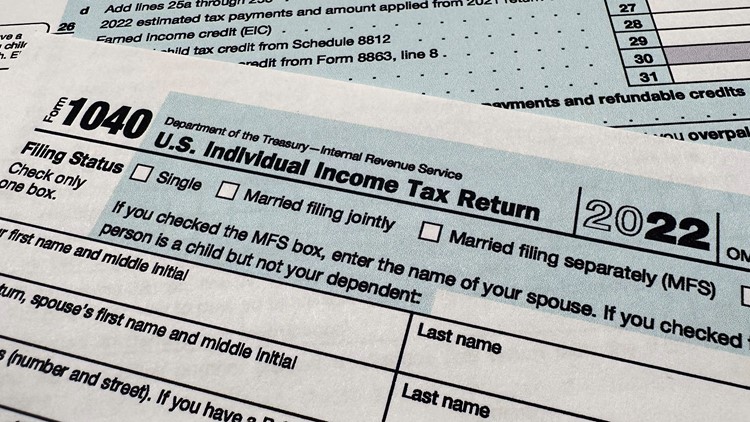
Tax experts are urging filers to learn about this new law, which could mean a larger return. The 2026 deadline to file taxes is April 15.
WASHINGTON — The federal tax filing deadline of April 15 is fast approaching, but this year’s returns come with a significant new break for many hourly workers: a deduction for part of their overtime pay.
The change stems from the “One, Big, Beautiful Bill Act,” which creates a new above-the-line deduction for overtime premiums, on top of the long-standing exclusion for certain tip income and new deductions for seniors and other groups, as described by tax analysts at the Cato Institute.
Under the law, an individual taxpayer can deduct up to $12,500 per year of qualifying overtime premiums, or up to $25,000 for married couples filing jointly, potentially reducing taxable income and lowering their overall tax bill. The new deduction is part of a broader effort to reduce federal income tax burdens on work-related earnings, including overtime and tips, and to simplify the tax code for many wage earners.
There is a catch, however: you cannot deduct all your overtime wages. Only the premium portion of your overtime pay qualifies. In practical terms, if you earn $20 an hour and your overtime rate is time-and-a-half, or $30 an hour, only the extra $10 per overtime hour is deductible. The base $20 remains regular taxable wages. That distinction is important for workers hoping to maximize the new benefit without overclaiming and risking an Internal Revenue Service, or IRS, adjustment later.
Another wrinkle is documentation. Many W‑2 forms do not break out overtime premiums as a separate figure, which could leave taxpayers guessing how much they’re allowed to deduct. To address that gap, the IRS has granted what it calls “transitional relief,” allowing filers to rely on year-end pay stubs, employer payroll summaries or other records to calculate the premium portion of their overtime for this filing season. That flexibility is intended to give employers time to adjust payroll systems while still letting workers claim the deduction now.
“It is not something that’s automatic. It is not something that’s standardized for 2025, and it is something that you’d be prudent to keep your records, talk to your tax pro about it and let them do it correctly on your tax return,” said Mark Steber, chief tax information officer at Jackson Hewitt Tax Service.
Steber said the rules are so new, it’s important to consult a tax professional to make sure you get what you’re owed.
“I find it’s amazing how many people do not even know this is a new deduction or a benefit or the tip one or even the senior deduction. So, there’s a lot of, you know, confusion on this because it’s so new and it’s so complicated and it’s never been done before,” he said.
Steber said that, nationally, refunds are running roughly 10% higher than last year, helped in part by new deductions and credits layered on top of existing tax rules. And despite ongoing reports of IRS staffing shortages, he said he has not seen evidence of widespread delays in processing returns so far this season.
With the clock ticking to April 15, tax professionals say the bottom line for workers banking on the overtime deduction is simple: gather your pay records now, understand that only the premium portion is deductible and don’t hesitate to ask for help to make sure you claim this brand-new benefit correctly.
You can learn more about the deduction on the IRS’ website here.
💌 Mantente al Día con lo Último del Entretenimiento Latino
Recibe noticias exclusivas de celebridades latinas, chismes virales, belleza, moda y entretenimiento — directo en tu correo.
Sin spam. Solo lo mejor de Atlanta Latinos Magazine.