
Ahora rentando apartamentos de 2 habitaciones • Excelente ubicación • Vida asequible
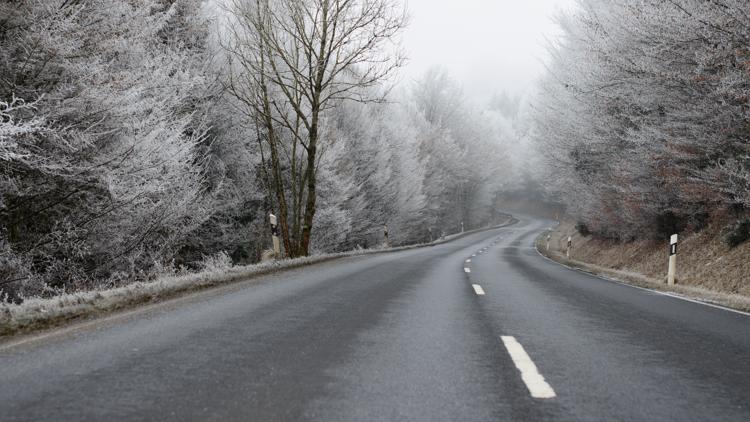
Every year, winter brings out a dangerous and deceptive hazard which surprises even the most experienced drivers.
CLEVELAND — It happens in an instant. Drivers leave their homes to start their day. It’s early morning. Roads look wet but clear. Then, out of nowhere, their vehicle starts to fishtail back and forth when crossing a bridge. There’s no time to react. The car loses control, skids off the road, and crashes into a ditch.
The driver was unaware of the danger underneath:
What appeared to be just wet roads was actually a thin layer of ice.
Every year, winter brings out a dangerous and deceptive hazard which surprises even the most experienced.
Black ice is a thin, nearly invisible layer of ice that forms when moisture freezes on road surfaces. Unlike regular ice or snow, it has no white or frosty appearance. It’s clear and blends perfectly with the pavement below, giving it that “black” look. You won’t see it until you’re already driving on it. The formation of black ice occurs when temperatures drop below freezing during nighttime or early morning hours following rain, mist, or snowmelt.
Bridges, overpasses, and shaded stretches of road are prime locations for black ice. These surfaces cool faster than regular pavement because cold air surrounds them from above and below. The road appears safe in most spots, but dangerous ice patches are there waiting for unsuspecting motorists. in these specific locations drivers can lose control of their vehicles very quickly.
You need to recognize the risk. Black ice detection requires drivers to observe weather conditions carefully while understanding how black ice looks. Check for sections of the road that seem darker or shinier than the surrounding areas or appear wetter than the rest on chilly days. When the temperature reaches 32°F (0°C), you should treat all wet-looking surfaces as potential ice.
Check for frost on car antennas, guardrails and road signs because this indicates ice may be forming on the pavement. Black ice looks completely transparent to the human eye. It will appear shiny or glossy when streetlights or car headlights hit it.
If you do find yourself driving on black ice, the number one rule is don’t panic. Sudden movements make things worse. Ease your foot off the accelerator and keep the steering wheel steady. Do not slam on the brakes. That can cause your tires to lock up and send you into a spin. If your car starts to skid, steer gently in the direction you want the front of your car to go. Avoid overcorrecting because you should let the car naturally slow down before you can get back to traction.
The proper way to operate a vehicle with ABS brakes requires drivers to use gentle consistent brake pressure when stopping in emergencies and to make smooth controlled actions for regular braking. The goal is to stay calm and allow your tires to reconnect with the road surface naturally.
Preparation combined with awareness will help you avoid unexpected icy conditions. Before winter sets in, make sure your tires are in good condition and properly inflated. Worn-out treads greatly increase the risk of sliding. Use windshield washer fluid that works at freezing temperatures while keeping an emergency kit with a blanket, flashlight, and traction tools in your vehicle.
When driving, slow down and increase your following distance. The normal three-second gap between vehicles should extend to at least six seconds when driving in winter weather. The use of cruise control on wet or icy roads will cause your wheels to lose traction and begin spinning.
Stay alert while crossing bridges and driving through shaded road sections during the early morning hours when temperatures reach their lowest points. Check your cars outside temperature display when you have one because near-freezing temperatures indicate ice formation on the road ahead. You can overcome dangerous winter road conditions by maintaining slow speeds, controlling your vehicle’s movements, and staying alert to your surroundings.
Mark Johnson is a meteorologist from WKYC in Cleveland. Check your local forecast from your trusted weather team here.
💌 Mantente al Día con lo Último del Entretenimiento Latino
Recibe noticias exclusivas de celebridades latinas, chismes virales, belleza, moda y entretenimiento — directo en tu correo.
Sin spam. Solo lo mejor de Atlanta Latinos Magazine.